Finding Your Perfect Fit: The Ultimate Guide to Running Shoes
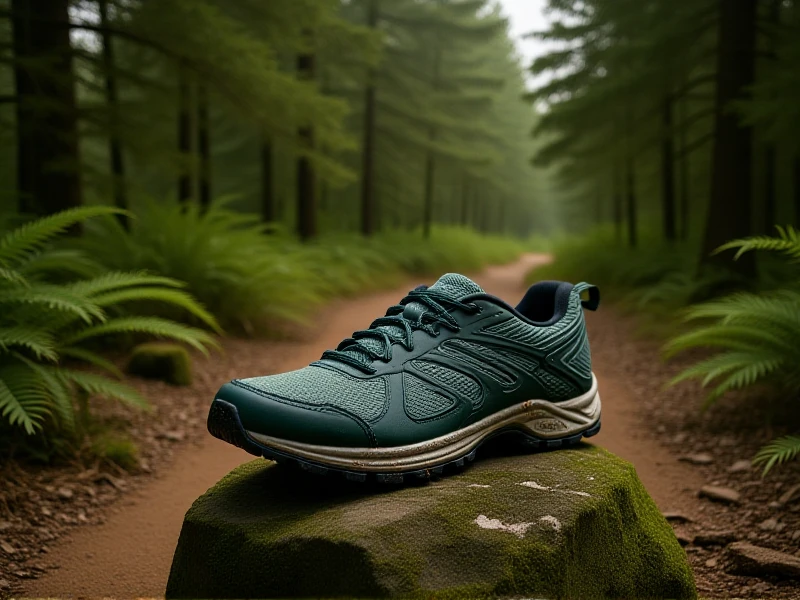
Choosing the right running shoes isn't just about style; it's the cornerstone of a comfortable, injury-free running journey. Whether you're training for a marathon, tackling a 5K, or just hitting the pavement for daily fitness, your running shoes are your most critical gear.
Why the Right Running Shoes Matter Every runner’s feet are unique. Impact forces, pronation (how your foot rolls inward), and gait mechanics demand specific support. Ill-fitting shoes lead to blisters, shin splints, even knee or back pain. Investing time in finding your match boosts performance, comfort, and longevity on the road.
Key Factors to Consider
-
Foot Type & Pronation: Know your arch!
- Flat Feet (Overpronation): Look for stability or motion control shoes with firm medial support to prevent excessive inward roll.
- Neutral Arch (Neutral Pronation): Most runners can choose neutral-cushioned shoes, offering balanced support and cushioning.
- High Arches (Underpronation/Supination): Prioritize flexible, cushioned neutral shoes to absorb shock effectively, as high arches often distribute impact poorly.
-
Running Terrain:
- Road Running Shoes: Designed for pavement, offer ample cushioning and durability against hard surfaces. Focus on lightness and responsiveness.
- Trail Running Shoes: Feature aggressive outsoles for grip, added protection (rock plates), and enhanced stability on uneven terrain. Often more durable.
-
Cushioning Level: Preferences vary drastically.
- Maximum Cushioning: Ideal for long distances, heavier runners, or those seeking plush comfort and shock absorption. Look for thick midsoles.
- Moderate Cushioning: The versatile choice for most runners, balancing comfort and responsiveness.
- Minimalist/Barefoot: Mimic natural running form but require gradual adaptation. Offer minimal ground interference.
-
Fit is Everything: Always try shoes later in the day when feet swell slightly. Ensure:
- Thumb's width (about half an inch) of space between your longest toe and the shoe end.
- Secure heel hold without slippage.
- Adequate width – no pinching across the ball of the foot.
- Comfort immediately - never rely on "breaking them in" for fundamental fit issues.
Don't Forget Replacement! Even the best running shoes lose cushioning and support over time. Experts typically recommend replacing them every 300-500 miles. Listen to your body – persistent soreness can signal worn-out shoes.
Choosing running shoes is deeply personal. Visit a reputable specialty running shop for gait analysis if possible. Their expertise can pinpoint the ideal features - stability, motion control, neutral cushioning, trail support - tailored uniquely to your stride and goals. The perfect pair transforms running from a chore into pure exhilaration. Discover yours and enjoy every step! Ready to find your match? Explore our curated selection of top-performing running shoes designed for every runner.