Conquer Any Trail: Why Trail Shoes Are Your Next Essential Purchase
Here is an SEO-optimized article about trail shoes, focusing on relevant keywords and natural language:
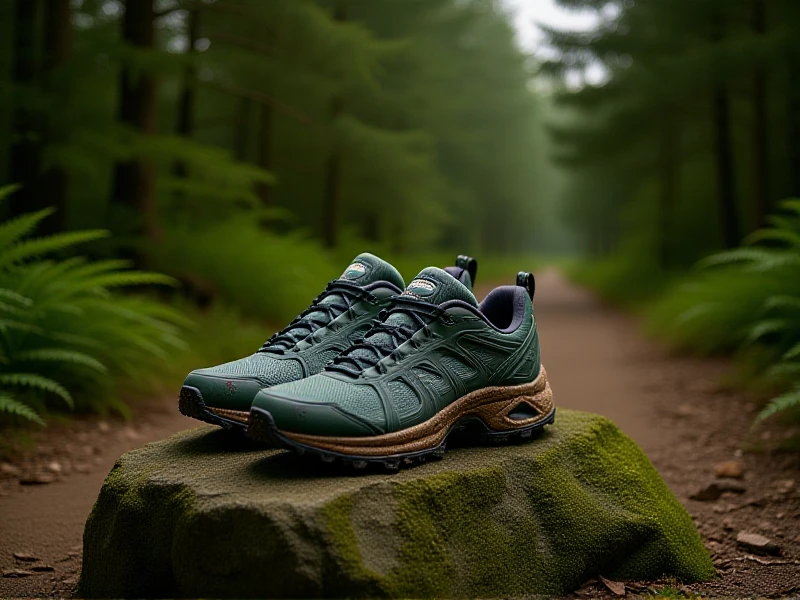
Stepping off the pavement and onto dirt paths, forest floors, or rugged mountain terrain demands more from your feet than regular running or walking shoes can provide. That’s where dedicated trail shoes come in – designed specifically to handle the unpredictable challenges of off-road adventures. Investing in a solid pair isn’t just about comfort; it's about safety, performance, and unlocking new outdoor possibilities.
At their core, trail shoes are engineered for superior traction. They feature aggressive, multi-directional lug patterns on the outsole. These deep lugs bite into loose dirt, mud, gravel, and rock, providing grip where slicks soles would slip. This enhanced grip translates directly to more confident strides, whether navigating steep inclines, descending rocky sections, or crossing slick roots. Stability elements, like firmer midsoles or supportive heel counters, also help prevent rolling your ankle on uneven surfaces.
Durability and protection are paramount. Trail runners often face sharp rocks, protruding roots, and abrasive debris. Consequently, trail shoes incorporate reinforced toe bumpers and overlays on the upper to shield your feet from impacts and scrapes. Many models also feature rock plates – thin, flexible shields embedded in the midsole – that disperse the sharp pressure of stepping on stones, preventing painful bruises without significantly compromising ground feel.
Fit and comfort cannot be overlooked. They typically offer snug, secure lockdowns to prevent excessive foot movement within the shoe, reducing the chance of blisters during long descents. Look for supportive, cushioned midsoles that absorb shock on rough terrain yet retain enough flexibility for natural movement. Breathable, often quick-drying, uppers manage moisture, while water-resistant or waterproof membranes (like Gore-Tex) are common for tackling wet conditions, though they can add warmth.
Choosing the right trail shoes depends on your intended terrain. Lightweight models with moderate cushioning and grip excel on well-kept paths, while beefier offerings with maximal cushioning and aggressive lugs tackle technical, rocky mountain trails. Fit for thru-hiking often prioritizes durability and support over speed. Trying on several styles, considering your typical trails and foot shape, is crucial.
Ultimately, trail shoes unlock the joy and confidence to explore farther. By providing stability, protection, and unmatched grip where pavement ends, they become an indispensable piece of gear for runners and hikers aiming to truly embrace the wilder paths. Are you ready to tackle your next trail adventure with confidence? Choose your pathfinder footwear wisely.