Ultimate Guide to Choosing the Best Running Shoes for Every Runner
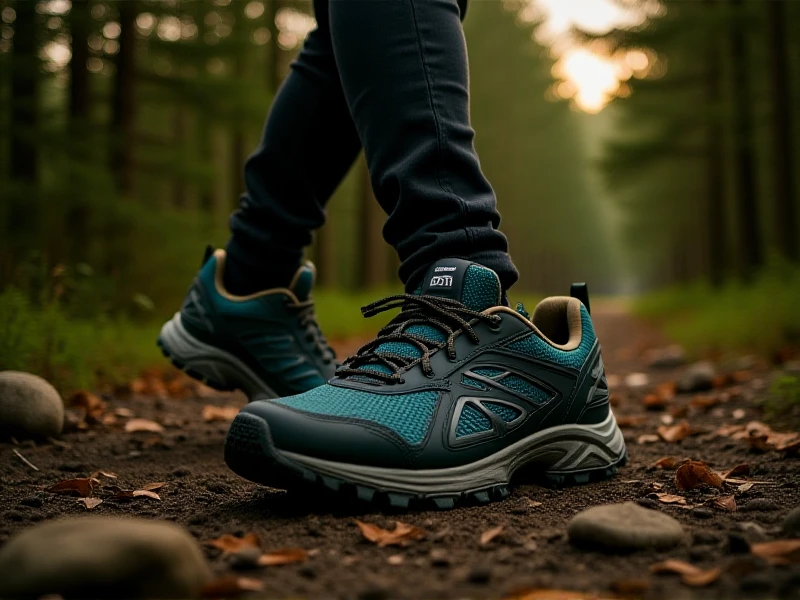
Running shoes are essential gear for any athlete aiming to boost performance and minimize injuries. Whether you're a beginner hitting the pavement for the first time or a seasoned marathoner logging miles daily, the right running shoes make all the difference. This guide dives into the key factors to consider while shopping, ensuring you find the perfect pair that fits your unique needs and keeps you comfortable mile after mile.
First, understand the different types of running shoes. Stability shoes offer extra support for overpronators (those whose feet roll inward), helping align your gait and prevent pain. Cushioned models, such as neutral shoes, provide soft soles for runners with high arches or those needing shock absorption on hard surfaces like asphalt. If speed is your goal, lightweight racing flats or super shoes prioritize minimal weight and responsiveness, ideal for competitions or fast-paced training. Always match the shoe type to your foot shape and running style. For instance, if you have flat feet or experience frequent soreness, opt for stability options. Visit a specialty store for a gait analysis to ensure a precise fit—this can prevent blisters or long-term issues like plantar fasciitis.
Next, consider other elements when selecting your running shoes. Factors include the surface you run on—trail shoes with aggressive treads perform better off-road on rough terrain, while road shoes have smoother soles for urban surfaces. Always check shoe durability; look for reinforced materials that withstand wear and tear over hundreds of miles. Also, pay attention to breathability and comfort—shoes with cushioned midsoles and breathable uppers keep feet cool during long runs. Rotating between multiple pairs of running shoes also extends their lifespan and reduces injury risks by varying stress on muscles and joints.
In conclusion, investing wisely in your running shoes pays off with enhanced comfort and safety. Try shoes on later in the day, when feet are slightly swollen, and jog in-store to ensure they feel natural. Remember to replace them regularly—typically every 300-500 miles—as worn-out shoes lose their protective benefits. Browse reputable online retailers or consult experts to build your collection. Happy running!